Consumer Credit Quick Overview
📅 2026 Update: Changes in Consumer Credit Law
Since the original article was published, there have been important updates to the Consumer Credit Act 1974. Key amendments have taken effect, shaping how consumer credit agreements are handled. The updates focus on various sections of the Act, refining the rules for creditors and consumers alike.
The earlier article continues further down the page, giving you more background on consumer credit laws and protections.
📝 Recent Amendments to the Consumer Credit Act
The Consumer Credit Act 1974 has been amended several times from 2024 to 2026. The most recent changes took effect on July 15, 2026. These amendments include updates to sections that govern how credit agreements are formed and managed, which directly impacts consumers seeking credit.
📋 Eligibility Rules for Credit Agreements
The Act defines what qualifies as a "consumer credit agreement." This includes criteria that determine when credit is offered to an individual. Understanding these rules is vital for consumers to know their rights and responsibilities when entering into such agreements.
⏳ Deadlines for Creditors
Creditors must adhere to specific deadlines when providing notices to debtors. The Act requires that notices be given within a prescribed period after a default sum becomes payable. This ensures that consumers are kept informed about their obligations and any outstanding debts.
✅ Responsibilities of Creditors
The Act outlines the responsibilities of creditors in relation to default sums. Creditors are required to provide clear notices to debtors or hirers regarding any defaults. This transparency helps consumers understand their standing and what actions they need to take.
📌 Key Points to Remember
- Recent amendments to the Consumer Credit Act took effect on July 15, 2026.
- The Act defines consumer credit agreements and eligibility rules.
- Creditors must meet deadlines for notifying debtors.
- There are clear responsibilities for creditors regarding defaults.
💡 Tips for Understanding Consumer Credit
Review your situation with an attorney to ensure you understand your rights and obligations regarding consumer credit.
📖 Understand the Credit Agreement
Before signing a consumer credit agreement, ensure it's in the prescribed form and signed by both parties. This protects your rights and clarifies your responsibilities.
🔍 Check for Transparency
Always review the terms of any credit agreement carefully. Make sure you understand all fees and costs associated with the credit being offered.
📞 Know Your Rights
Familiarize yourself with your rights under the Consumer Credit Act. Being informed helps you take action if you encounter issues with a creditor.
🚨 Report Any Issues
If you experience problems with a creditor, report them as soon as possible. Timely action can prevent further complications and help safeguard your rights.
📅 Keep Track of Deadlines
Be aware of the deadlines for notices that creditors must provide. Knowing these can help you stay updated on your credit status and avoid defaults.
🏆 Consumer Credit Services Ranked by User Reviews (2026)
This section lists various services related to consumer credit. These services are ranked according to their Trustpilot scores, reflecting customer feedback as of October 2026. Scores can change over time, and it's important to consider a variety of factors when evaluating these services.
🥇 1. Experian
Experian holds a Trustpilot score of 4.1. It has been known for credit reporting, monitoring, and tools to improve credit scores. Reviewers point out that while the services are robust, customer service response times can be slow.
🥈 2. Lexington Law
Lexington Law has a Trustpilot score of 3.2. This service is recognized for credit repair and dispute resolution. However, some reviewers mention concerns about service effectiveness and billing practices, which are worth considering.
🥉 3. CreditRepair.com
CreditRepair.com has a Trustpilot score of 1.2. It is known for offering credit repair services and helping with dispute resolutions. Many reviews highlight issues with billing practices and customer service, which may affect user experience.
4️⃣ Credit Repair Cloud
Credit Repair Cloud boasts a Trustpilot score of 4.8. This service is known for providing credit repair software and business solutions for entrepreneurs. While users appreciate the support, some mention the complexity of the service and a learning curve.
🆓 Free Government or Nonprofit Help
Individuals facing consumer credit issues may seek assistance from reputable nonprofit credit counseling agencies or government resources. While specific options are not detailed, these services can provide guidance and support in navigating consumer credit challenges.
🔎 What to Compare When Choosing a Service
- ⭐ Overall user ratings and scores.
- 📅 Response times for customer service inquiries.
- 💬 Feedback on service effectiveness.
- 💰 Transparency in pricing and billing practices.
❓ Frequently Asked Questions
❓ What are the main updates to the Consumer Credit Act?
The recent amendments to the Consumer Credit Act 1974 include revisions to sections that govern credit agreements. These changes aim to enhance clarity and consumer protection.
📜 How can I report a creditor who is not following the law?
If a creditor fails to comply with the Consumer Credit Act, you can report the issue to the appropriate regulatory body. Keeping records of all communications can help support your case.
💼 What should I look for in a credit agreement?
When reviewing a credit agreement, ensure it is in the prescribed form, signed by both parties, and includes clear terms regarding fees and responsibilities.
⚖️ What rights do I have as a consumer in credit agreements?
Consumers have the right to clear information about their credit agreements. This includes understanding fees, deadlines, and the responsibilities of creditors.
🕒 How quickly must creditors provide notices?
Creditors are required to provide notices to debtors within a prescribed timeframe after a default sum becomes payable, ensuring consumers are informed of their obligations.
📈 How can I improve my credit score?
To improve your credit score, consider monitoring your credit report regularly, paying bills on time, and addressing any disputes promptly.
⚖️ Recent Court Cases Related to Consumer Credit
There have been recent court rulings affecting consumer credit laws, particularly regarding the responsibilities of creditors and the protection of consumer rights.
- Puerto Rico Court Reverses Ruling on Credit Card Debt CaseTribunal De Apelaciones De Puerto Rico/Court of Appeals of Puerto Rico · August 24, 2026
- Puerto Rico court sends tax refund case back to lower courtTribunal De Apelaciones De Puerto Rico/Court of Appeals of Puerto Rico · August 31, 2026
- Court dismisses tax refund claim based on citizenship disputeUnited States Court of Federal Claims · May 21, 2026
- Tax Court rules on employment tax refund dispute caseUnited States Tax Court · July 8, 2026
Readers can explore more recent rulings by checking more rulings on the news page.
End of October 2026 Update
Consumer credit is a type of financial system in which an individual borrows money from a lender in order to pay for goods or services. Typically consumer credit is not solely grouped in with that of homeowner credit and other larger scale lender or creditor purchases. Instead, it applies to both larger and smaller scale purchases.
Consumer credit is often for personal use. This type of credit is used for goods and services that might not be considered a necessity in a household, but instead more of a luxury. Aside from large necessities like a home and an automobile, consumer debt goes to all the purchases that are made on credit cards for material goods like clothing, computers, shoes, toys, games, tools, and anything else in the world an individual may want to buy.
A Consumer Credit Union is a type of banking system in which individuals can be approved for credit and credit limits. This is so a person can purchase what they want when they want. However, they incur interest fees and end up paying more for the purchase than originally intended.
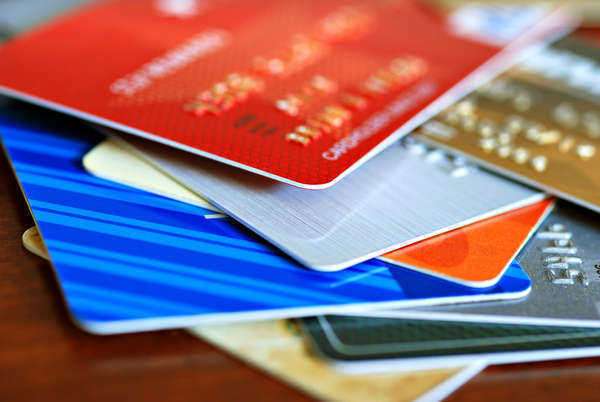
Irresponsible consumer debt can often lead to serious legal issues such as repossession of the property, more debts, and other issues. This happens because people do not understand how credit cards and debt work. The money needs to be paid back to the Consumer Credit Union or other type of financial bank in order for more available credit. Without paying, the individual could eventually incur jail time for negligence.