Consumer Rights
📅 2026 Update: Changes in Consumer Protection Rights
Since the original article was published, several important updates have occurred in consumer protection laws. These changes affect how consumers interact with businesses, especially regarding credit and lending rules. The earlier article continues further down the page, providing foundational information on consumer rights.
🏦 Truth in Lending Adjustments
Effective January 1, 2026, the threshold for consumer credit transactions and leases has increased from $71,900 to $73,400. This adjustment is based on a 2.1% annual increase in the Consumer Price Index for Urban Wage Earners and Clerical Workers (CPI-W). This change may impact consumers seeking loans or leases, as it raises the limit for certain regulations.
⚖️ Equal Credit Opportunity Act Amendments
On April 22, 2026, the Consumer Financial Protection Bureau (CFPB) made significant amendments to the Equal Credit Opportunity Act. The updates removed the "effects test" and clarified that disparate-impact liability is not recognized. These changes aim to prevent discrimination more effectively and focus on actions rather than outcomes.
📱 Digital Payment Apps Supervision
Large nonbank companies offering digital payment apps will now face increased supervision. Starting November 21, 2024, businesses handling over 50 million transactions annually must comply with federal regulations. This oversight seeks to protect personal data and reduce fraud in digital payment systems.
💵 FCRA Disclosure Fee Increase
As of January 1, 2026, the maximum fee for a consumer reporting agency to provide a disclosure under the Fair Credit Reporting Act (FCRA) rose from $15.50 to $16.00. This fee is adjusted based on the Consumer Price Index and reflects costs associated with obtaining consumer credit reports.
📊 Higher-Priced Mortgage Loans (HPMLs) Appraisal Exemption
The exemption threshold for Higher-Priced Mortgage Loans requiring additional appraisal protections has increased from $33,500 to $34,200 starting January 1, 2026. This change allows a broader range of loans to be exempt from certain appraisal requirements, impacting home buyers and lenders.
📌 Key Points to Remember
- The exemption threshold for consumer credit transactions has increased to $73,400.
- Updates to the Equal Credit Opportunity Act focus on preventing discrimination.
- Digital payment apps handling 50 million transactions face new regulations.
- The FCRA disclosure fee has increased to $16.00.
- The HPMLs appraisal exemption threshold is now $34,200.
💡 Tips for Understanding Consumer Rights
Reviewing your situation with an attorney can provide clarity on your consumer rights and protections.
📄 Know Your Credit Report Rights
Consumers are entitled to one free credit report each year from the three major reporting agencies: Equifax, Experian, and TransUnion. This allows you to monitor your credit and check for inaccuracies.
🏡 Understand HPMLs Appraisal Requirements
For Higher-Priced Mortgage Loans, lenders must provide a copy of the appraisal at least three days before finalizing the loan. This ensures you have time to review the appraisal details.
🔍 Report Inaccuracies Promptly
If you find errors on your credit report, act quickly. Consumers can dispute inaccuracies with the credit reporting agency, which must investigate within 30 days.
📞 Contact CFPB for Help
If you have questions or disputes regarding appraisal delivery or other consumer rights, contact the CFPB at 1-855-411-2372. They can provide guidance and assistance.
💻 Use Free Resources
Many nonprofit organizations offer free resources and assistance for consumers dealing with credit issues. Look for local agencies that can help you navigate disputes or understand your rights.
🏆 Consumer Services Ranked by User Reviews (2026)
This section highlights services related to consumer rights, focusing on credit reporting and repair. The order is based on Trustpilot data checked in October 2026. Trustpilot scores can change, and reviews provide only part of the picture, as unhappy customers often leave more feedback.
🥇 1. Experian
Experian holds a Trustpilot score of 4.1. Known for its credit reporting and monitoring services, it provides tools for credit score improvement. However, some reviewers report issues with customer service response times and billing practices.
🥈 2. Lexington Law
Lexington Law has been rated 3.2 on Trustpilot. It offers credit repair services and dispute resolution, aiming to help consumers improve their credit scores. Users have noted varying effectiveness of the services and issues with customer support.
🥉 3. CreditRepair.com
CreditRepair.com holds a Trustpilot score of 1.2. It focuses on credit repair services, with an emphasis on dispute resolution and score improvement. Many reviews highlight billing issues and concerns about the effectiveness of the services provided.
🆓 Free Government Assistance
Consumers can access free credit reports annually from the three major reporting agencies. This allows individuals to check their credit history without incurring costs. Nonprofit organizations may also provide free assistance for navigating credit issues.
🔎 What to Compare When Choosing Services
- 📊 Trustpilot scores and review counts for consumer feedback.
- 💬 Types of services offered, such as credit repair or monitoring.
- 🕒 Average response times for customer service inquiries.
- 💸 Fees associated with services and potential hidden charges.
- 📝 User experiences regarding effectiveness and satisfaction.
❓ Frequently Asked Questions
🤔 What is the Fair Credit Reporting Act (FCRA)?
The FCRA is a federal law that regulates how consumer reporting agencies handle information. It ensures that consumers have the right to access their credit reports and dispute inaccuracies.
📅 How often can I request my free credit report?
You are entitled to one free credit report each year from each of the three major reporting agencies. This means you can request up to three reports annually.
📉 What should I do if I find an error on my credit report?
Contact the credit reporting agency to dispute the error. They must investigate the issue and respond within 30 days.
🏦 What is the HPMLs appraisal exemption?
The HPMLs appraisal exemption applies to first-lien loans secured by a consumer's principal dwelling. If the loan's interest rate exceeds the average prime offer rate by 1.5 percentage points or more, additional appraisal protections may apply.
📱 Are digital payment apps regulated?
Yes, large nonbank companies offering digital payment apps are now subject to federal oversight. This aims to protect consumers and ensure compliance with consumer protection laws.
💼 What kind of help can I get from CFPB?
The CFPB offers assistance for various consumer issues, including disputes about credit reports and appraisals. Consumers can contact them for guidance and support.
⚖️ Recent Cases Related to Consumer Rights
Recent court rulings have addressed various consumer rights issues, including disputes over credit reporting and lending practices. These cases can significantly impact how consumer protection laws are interpreted and enforced.
- Nebraska Supreme Court rules on warranty deed disputeNebraska Supreme Court · August 7, 2026
- Utah Court Rules on Bingham Livestock's Warranty ClaimsCourt of Appeals of Utah · September 11, 2026
- Court rules on credit reporting case involving TrotmanDistrict Court, District of Columbia · August 26, 2026
- Court rules on jail credit for Michael Haynes in Florida caseDistrict Court of Appeal of Florida · August 28, 2026
For more information on recent rulings, you can check more rulings on the news page.
End of October 2026 Update
Before the 20th Century, consumers had few rights when it came to products and goods. If they purchased goods that were broken or faulty or if they enlisted services that did not work as they has wished and were advertised, there was not much a consumer could do legally to have the situation rectified.
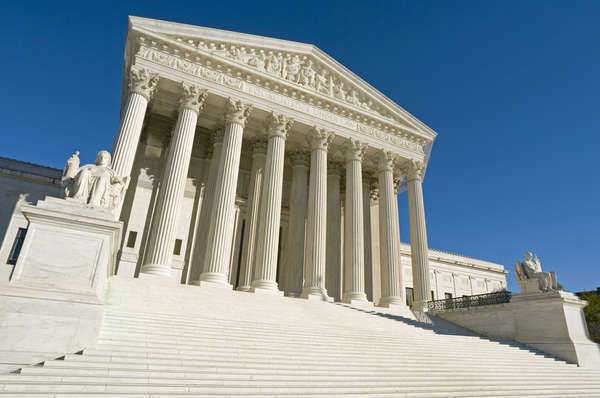
However, in the 20th Century consumer rights laws were created in order to better protect consumers and to ensure that businesses had to treat costumers more fairly regarding products, services, and help if the products were not satisfactory.
The basis of the movement started around the 1950s and has continued to be an important factor in today’s legal and business worlds.
Consumers’ rights are outlined into six larger categories. These are the basic rights that every individual has regarding products and services on the market today. These rights are: to be safe, to be able to choose freely, to be heard, to be informed, to receive education, and to receive service.
When it comes to consumer rights, the right to be safe is one of the most well-known and utilized rights. This refers to the safety and quality of products. If companies fail to make safe products, the consumer has a right to compensation of some kind.
The right to choose freely and the right to be heard are two important rights. This is where a consumer is assured that they have options regarding a good or service; that there is no monopoly. And the right to be heard is when the individual has a complaint regarding the products.
The rights to be informed and to education are both ways in which the consumer can become better acquainted with the products and the marketplace in order to make informed decisions about what goods work best for them.
The right to service is the obligation of the business to respond to the needs of the consumer. This is often carried through a warranty or various other legal documents stating that the business will provide service for the individual upon request regarding their products.
All of these consumer rights are important in order to keep consumers from being dominated by the businesses and their tactics.