Read This To Find Out How To Get On The No Call List
📅 2026 Update: Changes in Consumer Protection Laws
Since the original article was published, several important updates have occurred in consumer protection laws. These changes impact how consumers interact with credit services, digital payment apps, and other financial products. Readers can find further details in the sections below.
🏦 Truth in Lending Adjustments
As of January 1, 2026, the Consumer Financial Protection Bureau (CFPB) has increased the exemption threshold for consumer credit transactions and leases. This new threshold is now $73,400, up from $71,900. This change is based on a 2.1% annual rise in the Consumer Price Index.
Consumers may find this adjustment beneficial when seeking credit.
- 📈 Higher-Priced Mortgage Loans: The appraisal exemption threshold for higher-priced mortgage loans (HPMLs) has also increased to $34,200. This allows for fewer appraisal requirements for loans at or below this amount.
⚖️ Equal Credit Opportunity Act Changes
On April 22, 2026, the CFPB made amendments to Regulation B, which is part of the Equal Credit Opportunity Act (ECOA). These amendments have removed the "effects test," which means ECOA no longer recognizes disparate-impact liability. This change aims to simplify the process for lenders and clarify the rules regarding discrimination in credit practices.
💳 Digital Payment Apps Oversight
As of November 21, 2024, the CFPB has implemented new rules to supervise large nonbank companies that offer digital payment apps and fund transfers. This oversight is important for protecting personal data and reducing fraud. It applies to companies that handle over 50 million transactions annually.
📊 FCRA Disclosure Fees
Starting January 1, 2026, the maximum fee for obtaining disclosures under the Fair Credit Reporting Act (FCRA) will rise from $15.50 to $16.00. Consumers requesting their credit reports should be aware of this new fee.
📌 Key Points to Remember
- The consumer credit exemption threshold rises to $73,400.
- Higher-priced mortgage loan exemption increases to $34,200.
- ECOA amendments simplify discrimination rules.
- Digital payment apps are now better supervised.
- FCRA disclosure fees rise to $16.00.
💡 Tips for Understanding Consumer Rights
It's important to review your specific situation with your attorney.
📄 Know Your Credit Report Rights
You can request a free annual credit report from each of the three major credit reporting agencies: Equifax, Experian, and TransUnion. Each agency allows access to a free report once a year, which is crucial for monitoring your financial health.
📊 Understand Fee Changes
Be aware of the new fees associated with credit disclosures under the FCRA. As of January 1, 2026, the fee will be $16.00 for these requests.
📈 Stay Informed About Loan Exemptions
If you are seeking a mortgage, check if your loan amount qualifies for the appraisal exemption. Loans at or below $34,200 will not require certain appraisal requirements under HPML rules.
📱 Use Digital Payment Apps Safely
With increased oversight of digital payment apps, ensure that you choose reputable services. Look for apps that comply with the new regulations to protect your financial information.
🔍 Monitor for Fraud
Be vigilant about fraud, especially with digital payment options. The new regulations aim to reduce fraud, but it's still important to regularly check your accounts and reports for suspicious activity.
🏆 Services Ranked by User Reviews (2026)
This section highlights various services related to credit reporting and repair, which fit the topic of consumer protection. The order is based on Trustpilot data as of October 2026. Ratings can change, and it's essential to consider that unhappy customers tend to leave more reviews than satisfied ones.
🥇 1. Experian
Experian has been rated 4.1 out of 5. It is known for its credit reporting, monitoring, and score improvement services. However, some reviewers mention challenges in reaching customer support and issues with billing inaccuracies.
🥈 2. Lexington Law
Lexington Law holds a rating of 3.2. The service focuses on credit repair, dispute resolution, and improving credit scores. Users have reported issues with billing disputes and difficulty canceling services.
🥉 3. Credit.com
Credit.com has a lower rating of 1.7. It offers credit advice, score monitoring, and product recommendations. However, many customers express dissatisfaction with billing issues and customer service complaints.
4️⃣ CreditRepair.com
CreditRepair.com has a score of 1.2. It specializes in credit repair and dispute resolutions. Reviewers frequently mention billing disputes and challenges in canceling services.
🆓 Free Credit Reporting Options
Consumers are entitled to one free annual credit report from each of the three major credit reporting agencies. This is an essential resource for monitoring your credit and ensuring accurate information.
🔎 What to Compare When Choosing a Service
- 🏅 User Ratings: Check Trustpilot scores for insights.
- 🏦 Service Offerings: Look for specific services that meet your needs.
- 💵 Transparency in Fees: Understand any potential charges.
- 📞 Customer Support: Evaluate the reliability of customer service.
❓ Frequently Asked Questions
📞 How can I request my free credit report?
You can request your free credit report from Equifax, Experian, and TransUnion through their official websites. Each agency allows one free report per year.
🔍 What is the new appraisal exemption threshold for HPMLs?
As of January 1, 2026, the appraisal exemption threshold for higher-priced mortgage loans is $34,200. Loans at or below this amount do not require certain appraisal processes.
💰 Are there any new fees for credit disclosures?
Yes, starting January 1, 2026, consumers will be charged up to $16.00 for disclosures requested under the Fair Credit Reporting Act.
🏦 What services are available for credit repair?
Services like Experian and Lexington Law offer credit repair and monitoring services. Each has different features and user experiences, so it's important to compare them.
📲 How do the new rules affect digital payment apps?
The CFPB's oversight of digital payment apps aims to protect personal data and reduce fraud. This involves monitoring companies that handle large transaction volumes.
📝 What should I do if I suspect fraud?
If you suspect fraud, immediately check your credit reports and financial statements. Report any suspicious activity to your bank and the credit bureaus.
⚖️ Recent Cases Related to Consumer Rights
Recent court rulings address issues within consumer protection rights, including fair lending and credit reporting practices.
- Texas court rules on credit for time served in treatmentTexas Court of Appeals, 4th District (San Antonio) · June 17, 2026
- Florida court affirms ruling on jail credit for Rattray caseDistrict Court of Appeal of Florida · July 8, 2026
- Texas Court denies Gonzalez-Cruz's request for jail-time creditTexas Court of Appeals, 1st District (Houston) · June 25, 2026
- Court dismisses appeal in Stryker vs. Home Buyers WarrantyCourt of Appeals of Georgia · June 26, 2026
For more information, feel free to explore more rulings on the news page.
End of October 2026 Update
What is the No Call List?
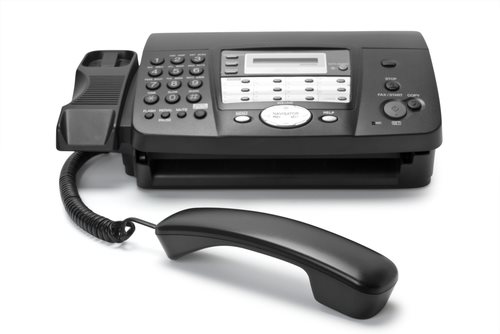
The No Call List, also known as the National Do Not Call
Registry, is a provision within consumer rights that is intended to give
consumers in the United States the opportunity to limit the number of
telemarketing calls they receive.
The No Call List was implemented by the United States Federal
Trade Commission on June 27 of 2003. The law was created to facilitate
compliance issues with the Telephone Consumer Protection Act of 1991.
Although the law was implemented on June 27, 2003, enforcement
of the No Call List started on October 1, 2003. As of January 1, 2005, all
telemarketers operating in the United States have up to 31 days from the date a
telephone number was registered to cease calling that specific number.
The No Call List is only enforced for land line numbers. FCC
regulations prohibit telemarketers from contacting cellular phone numbers using
automatic dialing systems. If an individual wishes to have a specific
telemarketer stop calling them, but does not want to be placed on the No Call List,
they may ask the specific caller to put the number on the company’s unique No Call
List. This list, although effectively limits the number of telemarketer calls
made by a specific company, does not place the underlying telephone number on
the national No Call List.
How do I place my telephone number on the No Call List?
To register your telephone number on the national No Call List,
you may call 1-888-382-1222. By contacting this number, you will effectively
block all telemarketers operating within the United States from contacting you
concerning various promotions, offers, products, or services. Registering on
the No Call List incorporates law that will provide exceptions to a blanket no
call ruling. Furthermore, separate laws and regulations are applied to
robocalls or automated calls that are in the United States.
Exceptions to the No Call List:
When you place your number on the No Call List, you will block
most, but not all, unsolicited calls.
The following calls or companies are exempt from the No Call List, as granted
by existing Federal laws and regulations:
The No Call List only
applies to residential lines. Business lines are not able to place their number
on the No Call List.
Individuals on the No Call
List will still receive calls from political or religious organizations.
Non-profit organizations
are exempt from the No Call List.
An individual will
still receive calls from those companies who conduct surveys.
Individuals will also receive calls from companies with which
the individual has an existing business relationship for up to 18 months after
his or her last payment, purchase, or delivery. In these scenarios, the
individual must specifically ask the company to cease calling them.
A person may still
receive calls from companies (up to 31 days) after submitting an application or
specific inquiry to that company.
Individuals, regardless
of their status on the No Call List, may also receive calls from debt or bill
collectors. These agencies, however, are regulated by other laws, such as those
that limit them to calling during “reasonable or business hours.”