Tobacco Injuries
📅 2026 Update: Important Changes in Consumer Rights
Since the original article was written, there have been several significant changes in consumer protection laws that impact tobacco-related injuries and other consumer rights. This update will cover those changes, focusing on credit transactions, digital payment apps, and appraisal exemptions. The earlier article provides additional context further down the page.
💳 Truth in Lending and Consumer Leasing Rules
Starting January 1, 2026, the exemption threshold for consumer credit transactions and leases under Regulation Z and Regulation M increased from $71,900 to $73,400. This change reflects a 2.1% adjustment based on the Consumer Price Index for Urban Wage Earners and Clerical Workers. Consumers engaging in transactions above this threshold may face different rules and protections.
🚫 Equal Credit Opportunity Act Amendments
On April 22, 2026, the Consumer Financial Protection Bureau (CFPB) amended Regulation B, which governs the Equal Credit Opportunity Act. The amendments removed the "effects test," clarified that disparate-impact liability is not acknowledged, and adjusted prohibitions on discriminatory practices. These changes aim to ensure fair treatment in credit transactions, which can be important for consumers dealing with injuries related to tobacco products.
📲 Digital Payment Apps Oversight
As of November 21, 2024, the CFPB has established rules to supervise large nonbank companies that offer digital payment apps. These companies must now comply with federal consumer protection laws. This oversight helps protect personal data and reduce fraud, which is crucial for consumers using these platforms to manage payments related to tobacco products or any other expenses.
🏠 Higher-Priced Mortgage Loans Appraisal Exemption
Effective January 1, 2026, the exemption threshold for higher-priced mortgage loans (HPMLs) requiring additional appraisal protections increased from $33,500 to $34,200. This annual adjustment is based on the Consumer Price Index. Consumers should be aware of these thresholds when seeking loans, as they can affect their financial obligations and rights.
📌 Key Points Summary
- Exemption thresholds for consumer credit and leases increased to $73,400.
- Amendments to the Equal Credit Opportunity Act focus on fair treatment in credit.
- Digital payment apps are now supervised for consumer protection.
- HPML appraisal exemption threshold raised to $34,200.
💡 Tips for Understanding Consumer Rights
Reviewing your situation with an attorney can help clarify your rights and options.
📝 Know Your Credit Rights
It's essential to understand your rights under the Truth in Lending Act. Consumers can request disclosures, allowing them to make informed decisions about their credit transactions.
📊 Use Your Free Credit Reports
Each consumer is entitled to one free credit report per year from each of the three major reporting agencies: Equifax, Experian, and TransUnion. Utilize these reports to monitor your credit status and identify any discrepancies.
📅 Stay Informed About Changes
Keep up with updates to consumer protection laws. Changes like the increase in the HPML appraisal exemption threshold can affect your mortgage terms and rights.
⚠️ Report Discriminatory Practices
If you feel you have been discriminated against during a credit transaction, report it to the CFPB. They oversee compliance with the Equal Credit Opportunity Act and can help address your concerns.
✔️ Understand Digital Payment Protections
With the new rules on digital payment apps, be aware of your rights regarding data protection and fraud prevention. Always choose reputable apps that comply with the latest consumer protection regulations.
🏆 Services Ranked by User Reviews (2026)
This section covers services related to credit repair and reporting that align with consumer rights and protections discussed in this article. The order follows Trustpilot data as of October 2026, but scores may change over time. Remember, star ratings are just one signal, as unhappy customers often leave more reviews than satisfied ones.
🥇 1. CreditRepair.com
CreditRepair.com has been rated 1.2. It is known for its credit repair services and dispute resolution efforts. However, reviewers have raised concerns about billing issues, service effectiveness, and customer support, making it essential for consumers to weigh these factors before engaging its services.
🥈 2. Lexington Law
Lexington Law holds a 3.2 rating. This service focuses on credit repair and dispute resolution. While some users appreciate the credit score improvement tools offered, there are noted caveats regarding service effectiveness and customer support, which could impact user experiences.
🥉 3. Experian
Experian has a higher rating of 4.1. Known for credit reporting, monitoring, and score improvement tools, it offers valuable resources for consumers. Despite its strengths, some users report slow customer service response times and billing practice concerns, which should be considered when seeking assistance.
🆓 Free Credit Reports
Consumers can access free annual credit reports from Equifax, Experian, and TransUnion. This option allows individuals to monitor their credit status without incurring costs, making it an essential resource for those concerned about their financial health.
🔎 What to Compare When Choosing Services
- 📈 Service effectiveness: Look for proven results in credit improvement.
- 🛠️ Customer support: Check response times and availability.
- 💵 Billing practices: Understand any fees or charges before signing up.
- 📊 User reviews: Read various reviews to gauge overall satisfaction.
❓ Frequently Asked Questions
❔ What should I do if I find errors on my credit report?
Consumers are entitled to dispute any errors they find on their credit report. They should contact the reporting agency to report inaccuracies and request corrections.
💳 How do the changes in credit laws affect my rights?
The changes in credit laws, such as the adjustments to the exemption thresholds, directly impact your rights in consumer transactions. Familiarizing yourself with these changes can help you understand your protections.
📅 How often can I request my free credit report?
You can request one free credit report per year from each of the three major credit reporting agencies. Be sure to space out your requests to monitor your credit throughout the year.
📱 What protections do I have when using digital payment apps?
With the new oversight on digital payment apps, consumers have protections related to data privacy and fraud prevention. Always use reputable apps that comply with consumer protection laws.
🔍 What should I do if I suspect discrimination in credit transactions?
If you suspect discrimination in any credit transaction, you should report it to the CFPB. They handle complaints and enforce compliance with the Equal Credit Opportunity Act.
📊 How can I improve my credit score?
Improving your credit score typically involves paying bills on time, reducing debt, and monitoring your credit report for inaccuracies. Utilizing services that offer credit score improvement may also be beneficial.
⚖️ Court Cases Related to Consumer Rights
Recent court rulings have addressed various aspects of consumer rights, particularly in areas related to credit and protection laws. These rulings help clarify the application of laws and consumer protections in real-life situations.
- Court rules against plaintiff in FTC FOIA request caseDistrict Court, District of Columbia · August 13, 2026
- California Supreme Court rules on tax refund proceduresCalifornia Supreme Court · August 10, 2026
- New Jersey Supreme Court rules on consumer debt rightsSupreme Court of New Jersey · July 8, 2026
- Court affirms dismissal of drug convict's time credit appealCourt of Appeals for the Seventh Circuit · July 29, 2026
For more recent rulings, you can browse more rulings on the news page.
End of October 2026 Update
What are chewing tobacco and smokeless tobacco injuries?
Smokeless tobacco, also known as snuff or chew is now known to cause severe injuries and disease in frequent users including several forms of cancer, tooth loss and cardiac disorders. Such is the risk that all packages of chewing tobacco now come with explicit warnings of the potential dangers mandated by federal law. Misleading advertising of smokeless tobacco as a “safe-alternative” to smoking cigarettes has caused thousands of Americans to develop smokeless tobacco injuries.
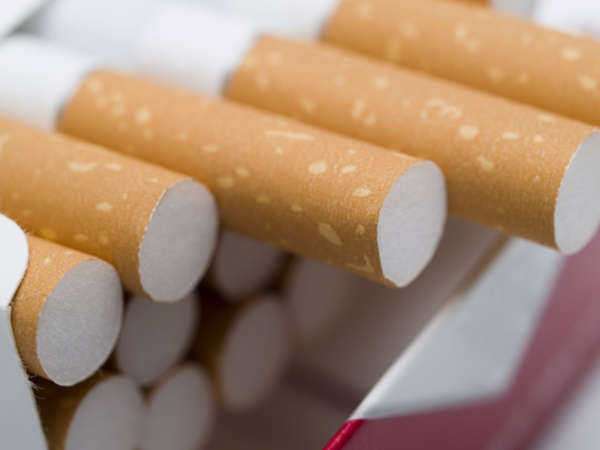
What are some of the dangers of smokeless tobacco?
The National Cancer Institute notes that chewing tobacco contains 28 cancer-causing carcinogens. Smokeless tobacco is addictive and habit forming and has dangers that potentially exceed smoking tobacco. For one, more nicotine is absorbed through mouth tissue and into the brain where it remains in the user’s system for longer. The smokeless tobacco user avoids the lung damage associated with smoking tobacco but is at increased risk of oral cancers and a type of mouth sores known as leukoplakia. Depending amount of usage, a user can absorbs the nicotine of 1.5 to 2 packs of cigarettes, with a 30 minute session equating to 3 – 4 cigarettes’ nicotine content.
How do I quit using smokeless tobacco?
The National Cancer Institute maintains a smoking quitline at 1-877-44U-QUIT. All tobacco users are urged to quit as tobacco use is universally detrimental the health and well-being of the user.
Am I entitled to sue smokeless tobacco companies?
For decades, smokeless tobacco companies engaged in misleading advertisements and distortions about the health risks posed by their product. Since the some states have filed class action lawsuit against the smokeless tobacco manufacturers that entitle frequent users to receive compensation. It is important to note that several of these settlements including California and Massachusetts, accused U.S. Smokeless Tobacco and Co of price fixing and gouging consumers rather than injuries inflicted on frequent users.
Litigation regarding the health effects and misleading advertising of smokeless tobacco began in the 1990s. Class action suits have subsequently been filed against the companies and attorneys have been able to prove that the medical issues that arise from the use of tobacco occur during regular use as intended, implicated the company in liability for medical expenses and harm incurred by the user.
If you believe you are entitled to damages from the smokeless tobacco companies, you should consult an attorney who can help you determine whether you are eligible for compensation for expenses incurred or pain and suffering experienced by the family or user when attempting to quit a very addictive product that had been marketed misleadingly.
Source: https://www.cancer.gov/cancertopics/tobacco/smokeless-tobacco