Consumer
📅 2026 Update: Key Changes in Consumer Protection Law
Since the original article was published, important updates have occurred in U.S. consumer law. These changes impact consumer protection rights, credit lending rules, and how businesses handle disputes. The details from the earlier article are still relevant and continue further down this page.
📈 Truth in Lending Adjustments
As of January 1, 2026, the threshold for consumer credit transactions and leases has increased from $71,900 to $73,400. This change comes after a 2.1% rise in the Consumer Price Index (CPI-W). This update under Regulation Z and Regulation M aims to adjust for inflation and better protect consumers in their financial transactions.
🏦 Equal Credit Opportunity Act Amendments
On April 22, 2026, the Consumer Financial Protection Bureau (CFPB) made significant amendments to the Equal Credit Opportunity Act (ECOA). The changes removed the "effects test" which previously allowed claims of discrimination based on impact rather than intent. This shift focuses on statements of intent to discriminate, altering how discrimination cases are evaluated.
🏢 Small Business Lending Rule Changes
Starting May 1, 2026, the CFPB revised the rules under the ECOA related to small business lending. The updates focus on core lenders and key data points while excluding certain financial products. This ensures that small business lending remains fair and transparent.
📱 Digital Payment Apps Oversight
Effective November 21, 2024, the CFPB began overseeing large nonbank companies that offer digital payment apps handling over 50 million transactions annually. This rule aims to safeguard personal data and reduce fraud risks in digital transactions, enhancing consumer trust in these services.
💰 Fair Credit Reporting Act Fees
As of January 1, 2026, requesting disclosures under the Fair Credit Reporting Act (FCRA) will now cost $16.00, up from $15.50. This fee applies to consumers seeking their credit reports, which are essential for understanding credit health and making informed financial decisions.
📌 Summary of Key Points
- $73,400 is the new threshold for consumer credit transactions.
- ECOA amendments focus on intent to discriminate.
- Small business lending rules have been revised for better clarity.
- Digital payment apps with high transaction volumes are now under CFPB oversight.
- FCRA disclosure fees increase to $16.00.
💡 Tips for Navigating Consumer Rights
Reviewing your personal situation with an attorney can clarify your rights and options in consumer law.
📝 Understand Your Rights
Make sure you are aware of your consumer protection rights under laws like the Fair Credit Reporting Act and the Equal Credit Opportunity Act. These laws give you the right to fair treatment in financial transactions.
📄 Request Your Free Credit Report
Utilize your right to a free annual credit report from the three major credit reporting agencies—Equifax, Experian, and TransUnion. This can help you monitor your credit health and spot any inaccuracies.
💬 Report Scams Promptly
If you encounter scams or fraudulent behavior, report them to the appropriate authorities. This helps protect others and can lead to action against the scammer.
📈 Keep An Eye on Fees
Be aware of any fees associated with credit reports and disclosures. The FCRA disclosure fee is now $16.00, so budget accordingly when requesting your credit information.
🏦 Know the Appraisal Exemption
If you're applying for a higher-priced mortgage loan, be sure to check if your loan amount is below the new exemption threshold of $34,200. This can save you from certain appraisal requirements.
📞 Seek Help if Needed
For assistance with consumer issues, you can contact the CFPB's hotline for guidance. They can provide information on your rights and help you navigate consumer complaints.
🏆 Consumer Services Ranked by User Reviews (2026)
This section highlights services that assist consumers with credit and lending issues. The companies listed below are known for their specific offerings related to credit repair, reporting, and monitoring. The order is based on Trustpilot data from October 2026, but scores can change over time.
Keep in mind that star ratings are just one factor, as unhappy customers often leave more reviews.
🥇 1. Credit.com
Credit.com has been rated 1.7 by 1,398 reviewers. It is known for providing credit advice, credit score monitoring, and recommendations for credit products. However, many reviewers have reported issues with billing and customer service, indicating a need for improvement in these areas.
🥈 2. CreditRepair.com
CreditRepair.com holds a 1.2 rating. This service focuses on credit repair, dispute resolution, and helping users improve their credit scores. Despite its offerings, several customers have mentioned challenges with billing disputes and canceling services, which could affect user experience.
🥉 3. Lexington Law
Lexington Law has a 3.2 rating. They are recognized for their credit repair services and dispute resolution. While they have a broader range of solutions, customers have reported billing disputes and difficulties with customer service, which is important to consider when evaluating this option.
4️⃣ Experian
Experian is rated 4.1 based on an impressive reviews**. This company is well-known for its credit reporting, monitoring services, and tools for credit score improvement. While many users appreciate their services, some have faced challenges in reaching customer support and have reported billing inaccuracies.
🆓 Free Government Resources
Consumers can access their free annual credit reports from the three major credit reporting agencies. This option allows individuals to monitor their credit health without incurring costs. Additionally, the CFPB provides a consumer hotline for further assistance.
🔎 What to Compare When Choosing a Service
- 📊 Trustpilot ratings and number of reviews.
- 💬 Customer feedback regarding support and service quality.
- 💸 Fees associated with services offered.
- 🛠️ Range of services, such as credit monitoring and repair.
- 🔍 Transparency in billing and cancellation policies.
❓ Frequently Asked Questions
❓ What are my rights under the Fair Credit Reporting Act?
Consumers have the right to access their credit reports for free annually. They can dispute inaccuracies and have the right to know how their credit scores are calculated.
📜 How can I report a scam?
Report scams to the Federal Trade Commission (FTC) or your local consumer protection agency. This helps authorities track and address fraudulent activity.
📈 What is the new appraisal exemption threshold?
As of January 1, 2026, the appraisal exemption threshold for higher-priced mortgage loans is now $34,200. Loans at or below this amount are exempt from certain appraisal requirements.
🏦 How often can I request my free credit report?
You are entitled to request one free annual credit report from each of the three major credit reporting agencies. There is no deadline for when you must request these reports within the year.
💰 What should I do if I find errors on my credit report?
If you find errors, you can dispute them directly with the credit reporting agency. They are required to investigate and correct any inaccuracies.
📞 How can I get help with a consumer complaint?
For assistance, you can reach out to the CFPB's consumer hotline. They provide guidance on resolving disputes and understanding your rights.
⚖️ Recent Cases in Consumer Protection Law
Recent court rulings have clarified various aspects of consumer protection law, influencing how consumers interact with businesses. These decisions impact rights under laws like the FCRA and ECOA.
- Puerto Rico court upholds dismissal of consumer complaintTribunal De Apelaciones De Puerto Rico/Court of Appeals of Puerto Rico · August 19, 2026
- Puerto Rico Court Reverses Ruling on Credit Card Debt CaseTribunal De Apelaciones De Puerto Rico/Court of Appeals of Puerto Rico · August 24, 2026
- Puerto Rico court sends tax refund case back to lower courtTribunal De Apelaciones De Puerto Rico/Court of Appeals of Puerto Rico · August 31, 2026
- Court dismisses tax refund claim based on citizenship disputeUnited States Court of Federal Claims · May 21, 2026
Readers can explore more recent rulings in the news section for further insights into consumer law developments. more rulings on the news page.
End of October 2026 Update
Consumers can be an individual, household, or specific group of people who utilize specific goods and services. This is a very broad category of individuals, and everyone at some point in time fits into this category.
Consumers are individuals who exchange money for particular goods or services. For example, a person who buys a coffee at the local Dunkin Donuts every day can be considered a consumer. This is because this individual is purchasing a good from the company in exchange for money.
Consumers do not have to buy physical objects; they can also be the recipients of services. For instance, anyone who has a television and contract with a television service can be considered a consumer. They are paying a monthly fee in order to be provided with television programming.
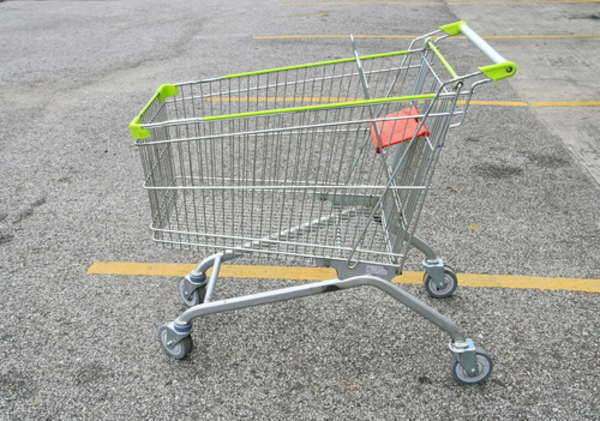
When it comes to businesses, consumers are often the most important part of the industry. This is because the consumer is the person who is going to purchase the product or use the service. The market has to be made accessible and appealing to people in order for the business to be successful.
However, a consumer has a number of rights under the law and the various companies have to make sure that while they are attempting to entice individuals into buying their products, they are also making sure to operate within the legal rights of the consumers.
In the United States a consumer can be a singular body or an entire household, while in other nations the title of consumer is reserved only for individual people.